Stretch & Composite Yarns
Different stretch constructions for comfort, texture and recovery.
Different routes
to stretch.
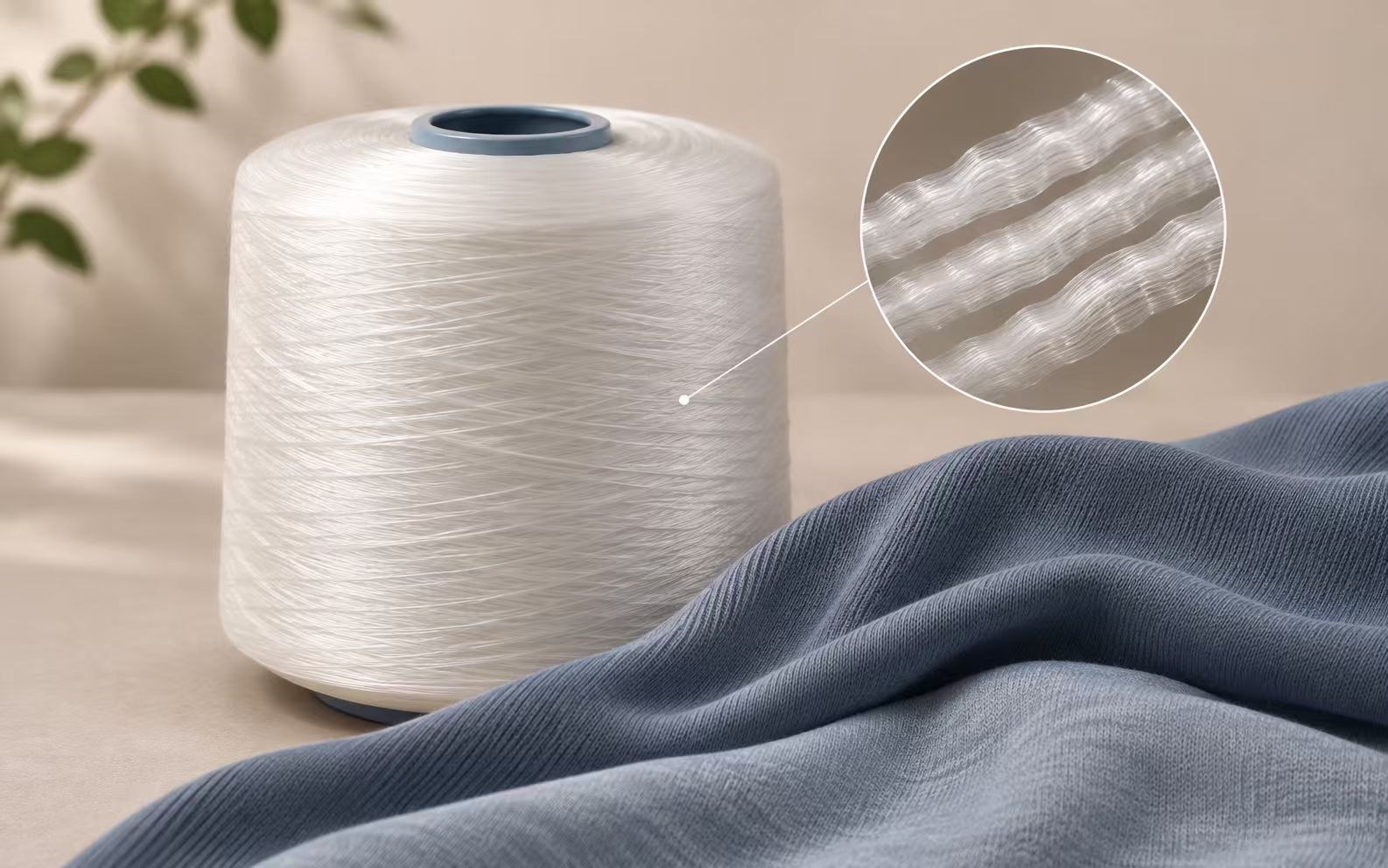
Stretch and composite yarns can be developed through different material combinations and yarn-processing routes. Some constructions rely on bicomponent filaments that form crimp under suitable processing conditions; others combine yarn components to balance elasticity, bulk, texture and fabric hand feel. These are different technical approaches, and not every stretch yarn has the same structure.
What this
collection covers.
Bicomponent crimp
Two polymer components respond differently to heat and processing, which can create crimp that relates to stretch and recovery.
T400-type & related options
A composite route used in stretch fabric development. The exact material identity is confirmed for each supplied item.
SPH-related yarns
Yarns with their own construction, distinct from standard DTY and from other composite filaments.
T8
One of the stretch options in the range, considered for fabrics that need bulk, stretch and recovery.
Stretch cotton-like
Cotton-like touch comes from yarn structure and hand-feel design; stretch comes from a suitable composite or texturing route. It is not natural cotton.
High-stretch & cationic composites
High-elongation constructions and cationic-dyeable components for colour and texture effects in the fabric.
Stretch is only
part of it.
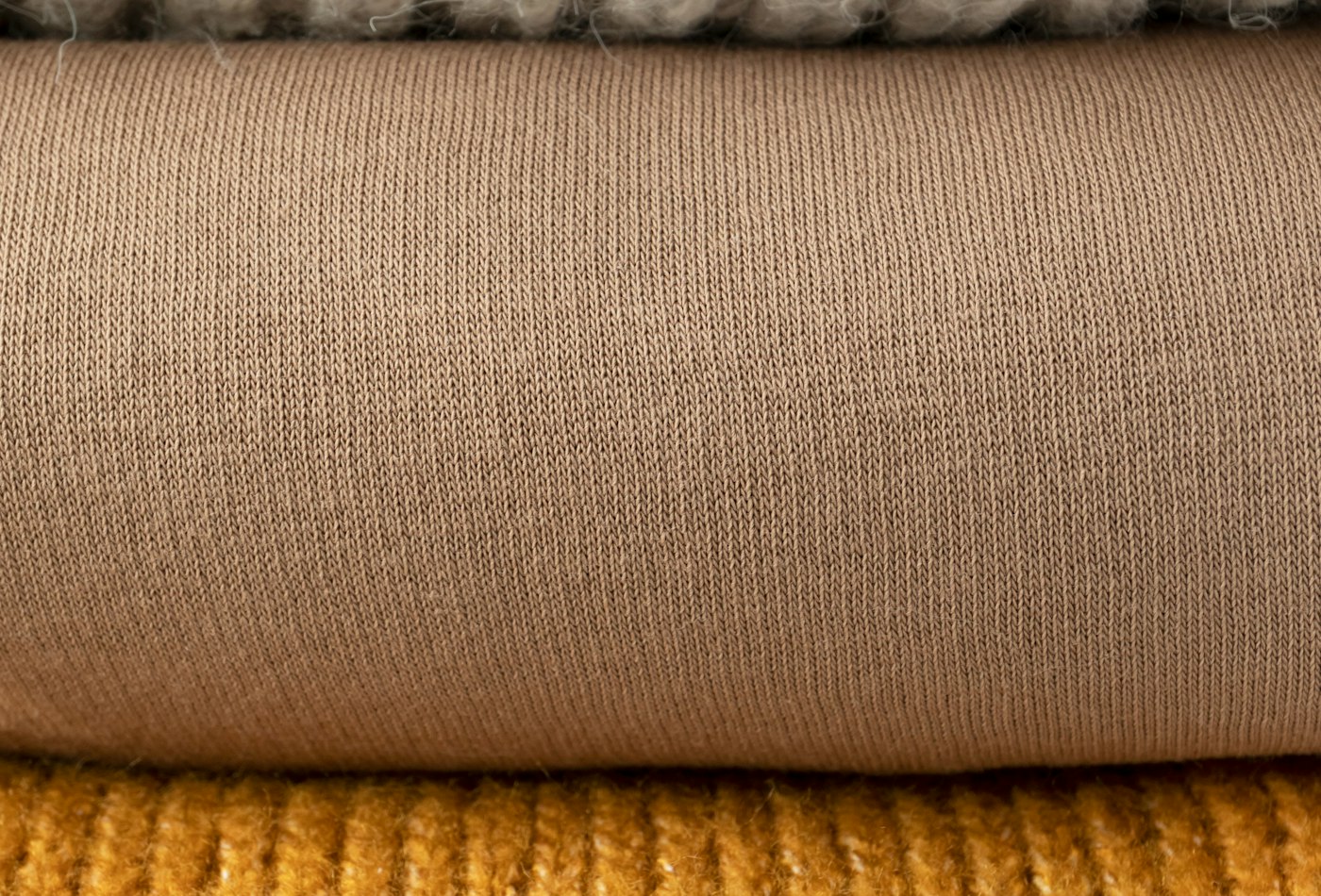
Stretch alone does not fully describe fabric performance. Recovery after stretching, fabric stability, comfort, dyeing and finishing also depend on fabric structure and processing. ANKU can help discuss suitable development paths for knitted and woven fabrics, including possible combinations with selected functional or recycled-polyester routes.
Planning a
stretch fabric?
Tell us the fabric type, stretch direction and hand feel you want. We will suggest a suitable construction route.